Rivals that learn
The opposition watches what the heroes do, adapts, and stays a step ahead.
WorldThread is software for producing serialized audio drama, with Claude at its core. It's designed to remember every character, promise and consequence, so a small team can produce whole seasons that hold together.
WorldThread is a narrative world model: a versioned record of every character, relationship, promise and consequence in a season. Claude writes against it, every draft is checked against it, and nothing becomes part of the story until you approve it.
WorldThread keeps every thread, and shows you where each one leads. These examples come from Dreamless, our first series: a colony ship wakes 41 years late, and someone has been cooking in the galley.
EditEpisode 3: Nate keeps his father's knife instead of trading it.
7 later scenes depend on this. Nothing changes until you review them and approve the change. They are in episodes 5, 9, 14, 22, 31, 38 and 44.
AskWhat does Nate know about who has been eating aboard?
What Nate knows
That someone ate in the galley days ago, not decades.
Clue
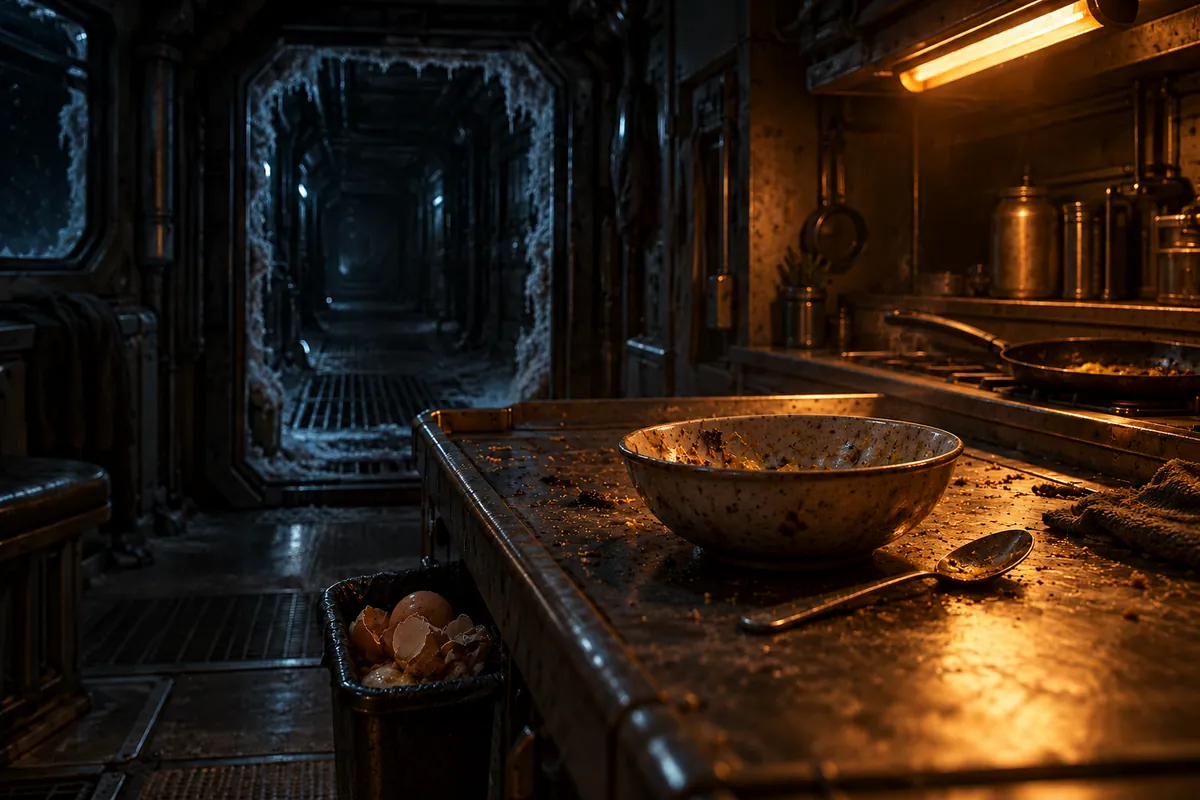
Tara found the oil in the pan still soft.
Clue
Juno spotted one bowl, one spoon and fresh eggshells.
Still open
Nobody knows who yet.
Illustrative example from Dreamless.
Genesis
IdeaA colony ship wakes 41 years late beside something the size of a moon.
Episode 1 ready for your review.
Illustrative example from Dreamless.
Genesis works like a room full of writers, powered by Claude: it asks the right questions, offers options and builds the world, the cast and the season plan with you. Once you approve the foundation, every episode builds on it.
Genre playbooks include superhero serial, progression fantasy, villain protagonist, rival ensemble and world events. Superhero serial and progression fantasy are built.
The opposition watches what the heroes do, adapts, and stays a step ahead.
Magic and abilities have limits and a price. Every use has to be earned, and paid for.
Characters level up through the story, not by decree, and can stall, branch or fall.
Institutions, places and factions respond to everything that happens.
Pitch a “what if.” Claude brainstorms options, WorldThread checks each one against everything already established, and nothing changes until you add it to the story.
What ifthe galley cook left a message?
4 later episodes would change.
Illustrative example from Dreamless.
Built on Claude
Claude does the judgment work. It plans each episode against the season plan, drafts the scenes, then reviews and repairs them. Every fact it uses is checked against the world model, so Claude never has to hold 50 episodes in its context window.
Auditions builtVoices next
Each character will be cast to match who they are, then keep that voice across hundreds of episodes. ElevenLabs will also provide sound effects, ambience and music for every scene.
Writers' roomClaude
Builds the world, cast and season with you, then drafts each episode to the plan you approved
ContinuityWorld model
Tracks who knows what, where everyone is and what has changed
ResearcherWorld model
Answers any question about the story, with the scenes it came from
Showrunner's deskYou
Approves the foundation and every episode, and previews the impact of any change
Line producerCost guard
Budgets and reserves every paid call before it runs
Story editorClaude
Reviews every draft for continuity, clarity and pull, then repairs it
Art departmentVisual Bible
Keeps each character's look consistent, changing only when the story does
Casting and voiceElevenLabs
Auditions voices today, and will give every character one voice for the whole series
Auditions builtVoices next
Sound departmentElevenLabs
Sound effects, ambience and music for every scene and place
Mix and masteringAudio pipeline
Balances, levels and checks every episode before release
Today: the story engine is built and tested, and Dreamless, our first show, is being written with Claude. Next: live production on the Claude and ElevenLabs APIs.
Continuity keeps a story true. Craft keeps people listening. WorldThread plans both, across the whole season.
Seven ways a season keeps people listening. Choose one to see where it lands across all 50 episodes.
Illustrative example.
Our first series
Year 101
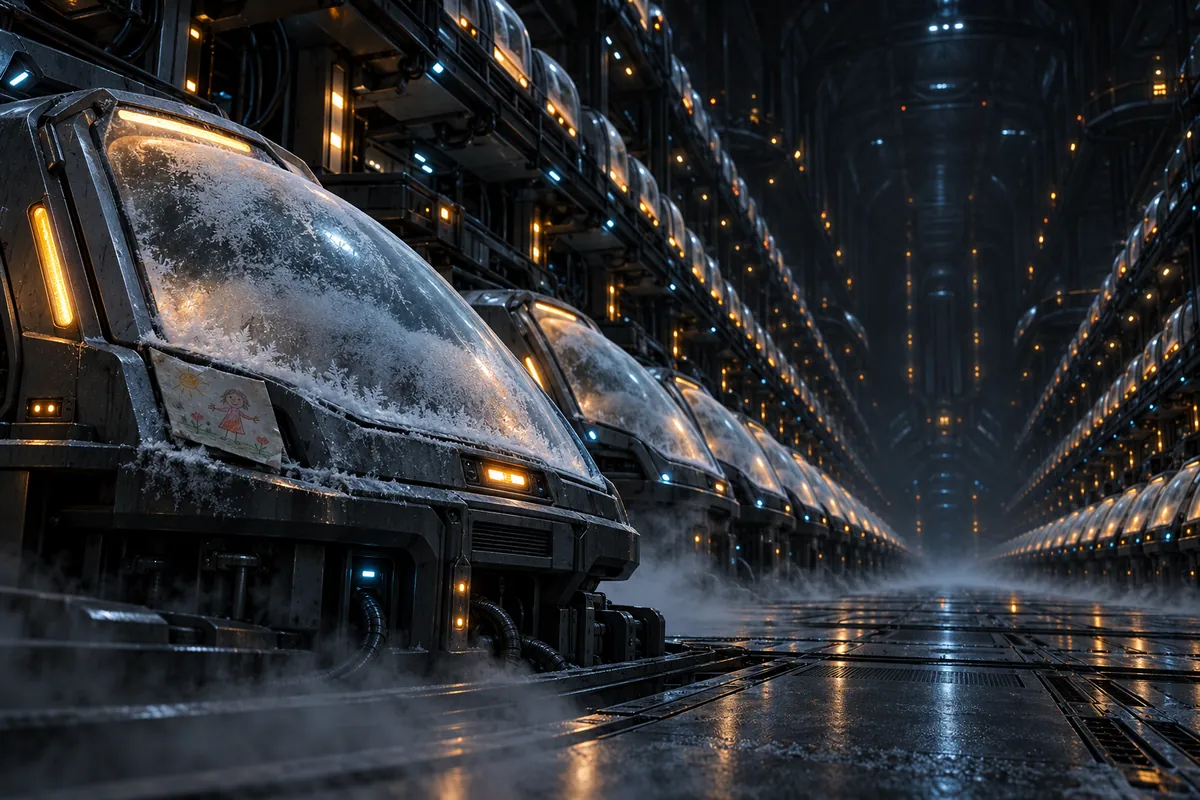
The colony ship Meridian is carrying 9,000 sleepers on a 98‑year voyage to a world called Haven. A six-person maintenance shift is due to wake in year 60 for a routine check.
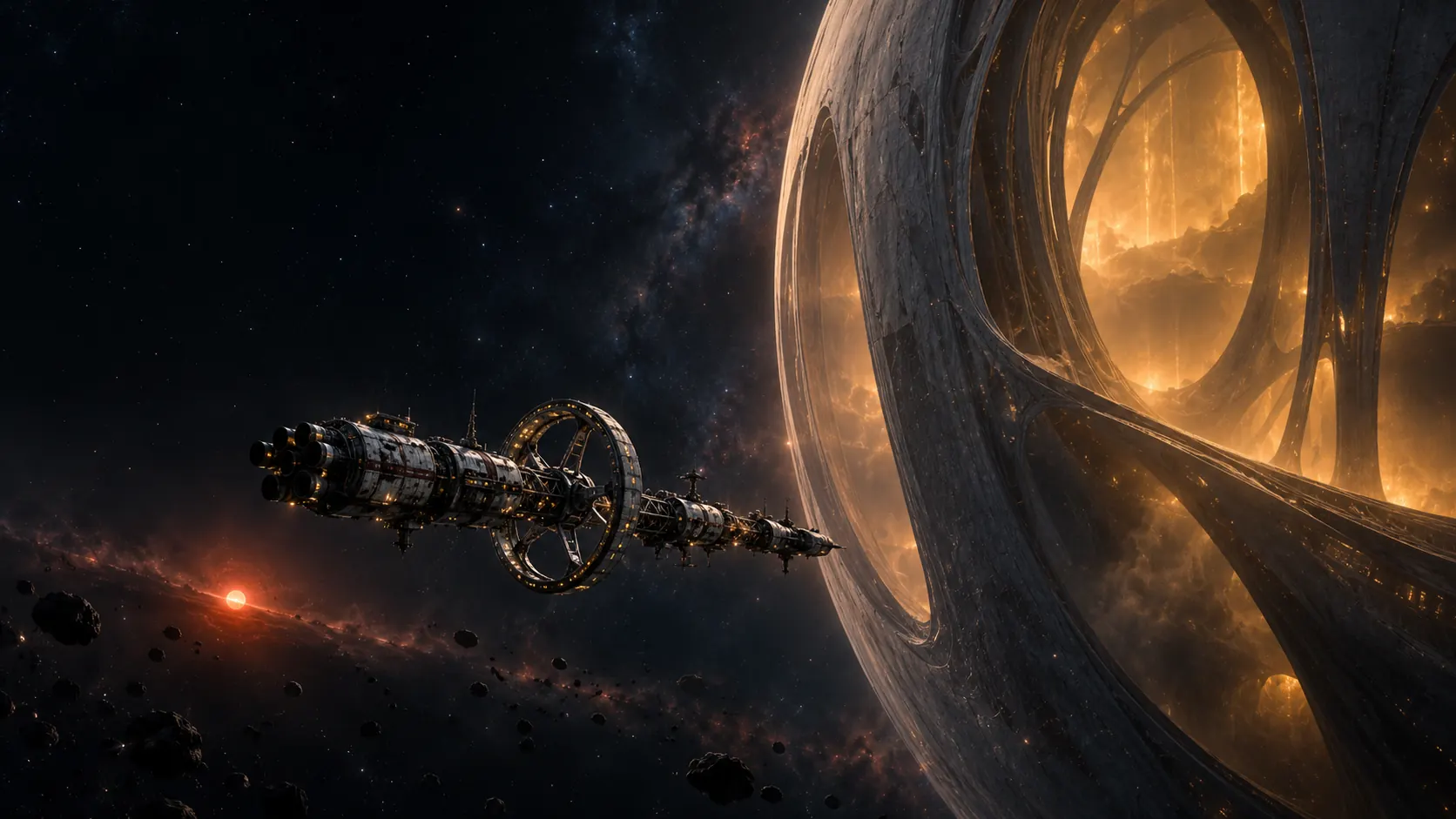
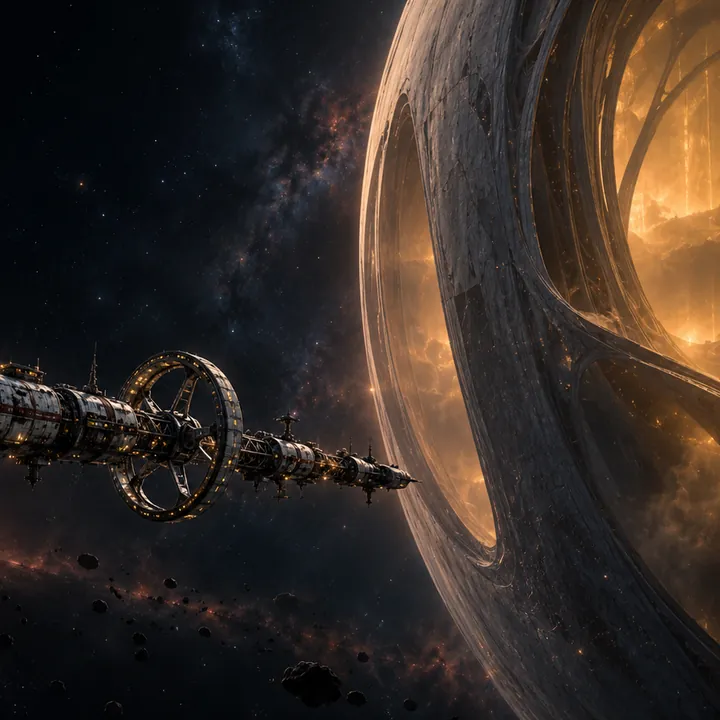
They wake in year 101 instead. They are 41 years late, the ship should have reached Haven three years ago, and it is parked beside something the size of a moon. And someone has been cooking meals in the galley.
Sci-fi survival mystery. Season one in development.
Every episode will get the full studio treatment: voiced, scored and mixed, with pictures for those who want them. An AI sound department, art department and editor, all directed by you.
1
Episode 1, scene 2: the galley
NarratorThe kitchen was the only warm room on the ship. It smelled of burnt eggs.
Switch a layer off to see how the scene is built. Concept view: real Dreamless audio comes once voice production starts.
2
Prefer to see the story? Every episode will also play as an illustrated motion comic, with artwork that moves in sync with the audio, line by line.
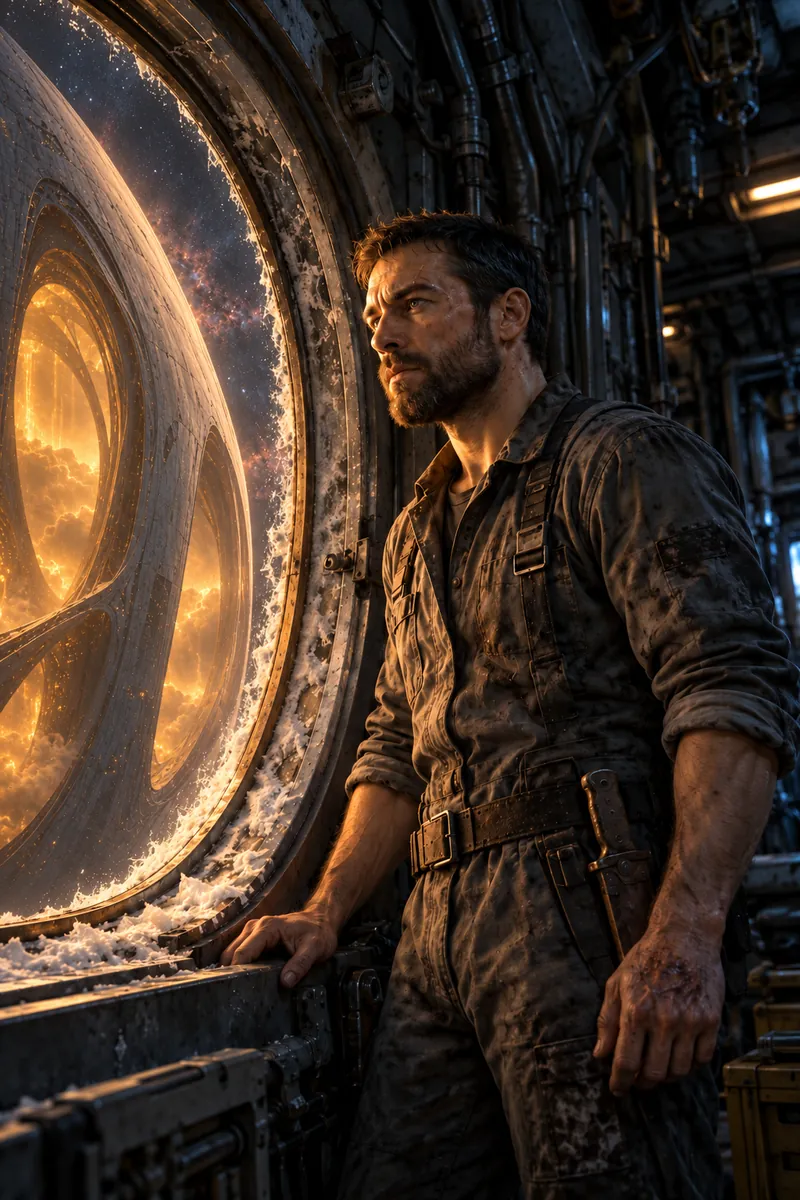
Every character and place comes from the Visual Bible, so Nate looks like Nate in every episode.

WorldThread
Dreamless
Episode 1: Year 101
Visual Bible Building
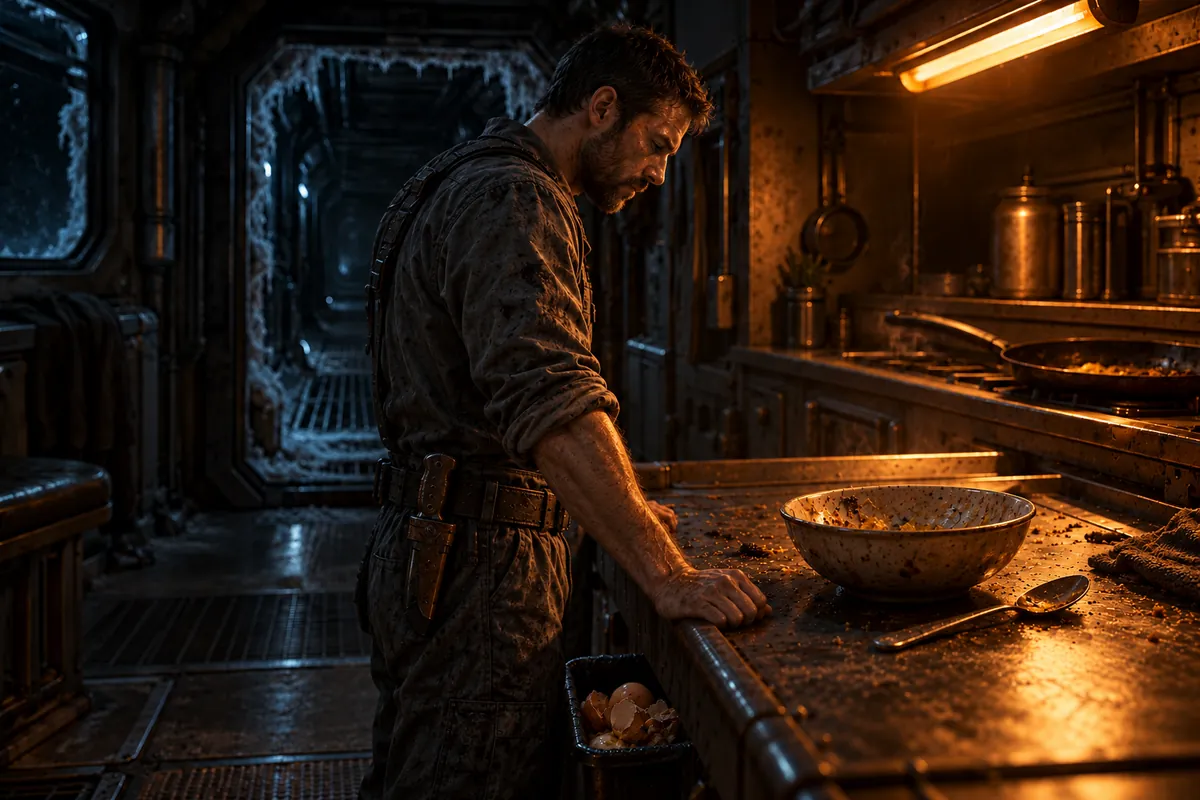
Fixed in the Visual Bible. It changes only when the story changes it.
3
Animated scenes will come first, then full video. The same world model that keeps the story straight will keep the pictures straight too.
Images are concept art for Dreamless. Dialogue shown is from the episode 1 script.
1,400+
automated tests run on every change to the engine
Partners, voice talent, investors and future listeners: we'd love to hear from you.

Founded by Daniel Catterall
Creator of Dreamless, based in Australia. Designs the WorldThread story engine and directs the AI agents that build it.